
Nobody Gets Left Behind.
Ohana Malamalama is building affordable housing, purpose-driven community, and regenerative support systems in rural Northern California... neighbor by neighbor.
Nobody Gets Left Behind.
Ohana Malamalama is building affordable housing, purpose-driven community, and regenerative support systems in rural Northern California... neighbor by neighbor.
The housing crisis isn't coming. It's already here.
In Siskiyou County, working families are being priced out, teachers and tradespeople are leaving, and the Mill Fire deepened an already critical shortage. Rural communities are among the most vulnerable... and the most overlooked.
Families forced to leave
Rent doubled. People are living in their cars. Parents are worried about the impact on their kids because they can't find stable housing.
Rural communities overlooked
Major funders focus on cities. Small towns like Mount Shasta and Yreka fall through the cracks... even as the need grows.
Survival mode blocks purpose
When families are fighting for basic needs, they can't access their gifts, build businesses, or contribute to their community. Stability is the foundation for everything.
We Don't Wait for Someday. We Build Now.
In under a year, we've built a movement and turned community organizing into concrete, measurable change.

Rallied 50+ Neighbors to Show Up and Show Support
When the revised ordinance came up for a vote, we didn't just show up ourselves, we brought the community with us. Over 50 neighbors turned out to City Council to support the updates in person, helping push real, common-sense improvements across the finish line.
Being approached for more land donations
Actively fielding more conversations for more donated land, and groups organizing to pool investments to build a community.
Actively helping facilitate a "how to" guide
Brought our extesive research and resource collection, along with one of our key community volunteers to the table to help the city start building a simple step-by-step guide for property owners to go from dreaming to getting a tiny home built on their land. Resource coming soon!
Convened the next round of ordinance revisions
At the City Planner's request, brought city officials, the Tiny House Industry Association's president, builders, and residents with real stakes in the outcome together to strengthen the THOW ordinance, with Mount Shasta positioned as the model neighboring cities will follow.
Got our official nonprofit paperwork done
Completed community fundraising and filed legal documents for our official nonprofit and registered EIN.
Helped pass the Tiny Houses On Wheels Ordinance
Worked hand-in-hand with Mount Shasta City Council to remove a key regulatory barrier. Unanimous support.
Secured donated land in Lake Shastina
A 0.24-acre parcel, ready for a 3-unit affordable housing development (main residence + ADU + JADU).
Mobilized record community turnout
Monthly community dinners now bring together residents, officials, and stakeholders to build real solutions together.
If you believe families deserve the stability to pursue their purpose... you're in the right place.
The Ultimate Guide to the Mount Shasta Local Business Directory: Everything You Need to Get Found
Discover why Siskiyou County businesses are joining Ohana Connect to build local stability, fund affordable housing, and keep our economy thriving. Join the movement today! ...more
Community Impact ,Housing
May 20, 2026
Community Stability Matters: Why Your Siskiyou County Business Network Should Build More Than Just Profits
Discover why Siskiyou County businesses are joining Ohana Connect to build local stability, fund affordable housing, and keep our economy thriving. Join the movement today! ...more
Community Impact
April 15, 2026
Mount Shasta Just Passed a Tiny Houses On Wheels Ordinance — Here's What It Means for Families
Mount Shasta unanimously passed a Tiny Houses On Wheels ordinance in 2025. Here's what it means for families, renters, and affordable housing in Siskiyou County. ...more
Housing
September 30, 2025•3 min read
Housing Is the Foundation. Purpose Is the Goal.
Ohana Malamalama (Hawaiian: family + light and wisdom) is a faith-based organization built on a simple belief: you can't pursue your Divine gifts when you're constantly fighting to survive.
We combine affordable housing development, policy advocacy, and community empowerment to create a regenerative model... where those who stabilize become part of the village that lifts up the next family.
This isn't charity. It's sacred systems design.
"When one family stabilizes, they become part of the village that lifts up the next. That's how real communities work."
Housing Is the Foundation. Purpose Is the Goal.
Ohana Malamalama (Hawaiian: family + light and wisdom) is a faith-based organization built on a simple belief: you can't pursue your Divine gifts when you're constantly fighting to survive.
We combine affordable housing development, policy advocacy, and community empowerment to create a regenerative model... where those who stabilize become part of the village that lifts up the next family.
This isn't charity. It's sacred systems design.
"When one family stabilizes, they become part of the village that lifts up the next. That's how real communities work."
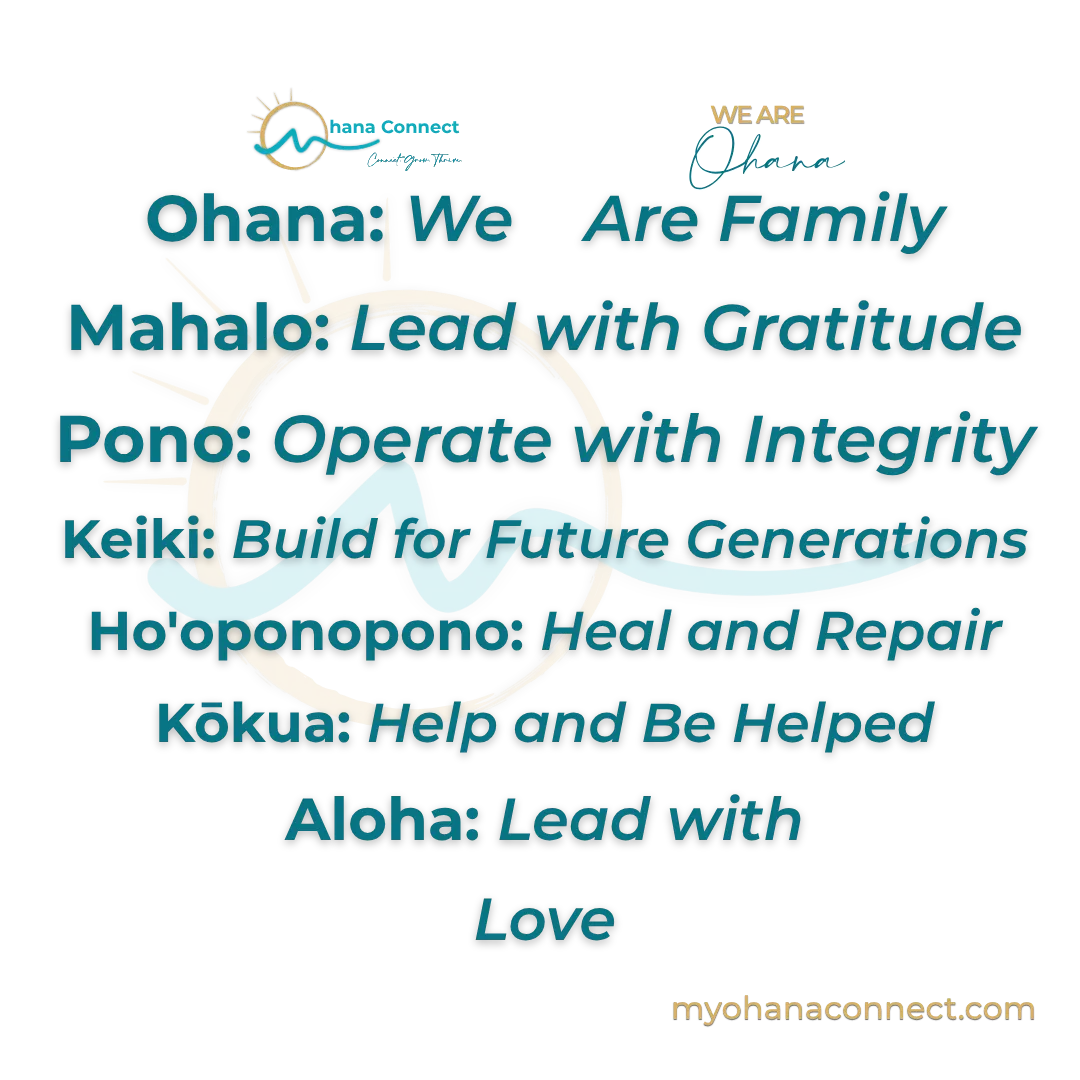
7 Core Principles

"You don't have to believe exactly as we do to sit at our table. We just ask that you come with an open heart and a willingness to show up for each other."
4 Ways to
Be Part of the Solution
Whether you have $10 or 10 hours, there's a place for you in this movement.
Make a Donation
Ohana Mālamalama is an official 508(c)(1)(a) Faith-Based Foundation. All contributions are tax-deductible under IRC § 170(c)(2)(B).
No goods or services were provided in exchange for this contribution.
Come to Dinner
Our monthly community dinners bring together neighbors, officials, and families to build real solutions over a shared meal. No agenda. Just people who care. All are welcome.
Join Ohana Connect
Our community network for neighbors where excellence is the standard and business becomes mission. Monthly events, education, and ways to lift each other up.
Become a Merchant Partner
Use our payment processing partner and a portion of every transaction supports affordable housing in your community. Win-win business.
TESTIMONIALS
Built by People Who Lived It
"I grabbed my two young children and escaped domestic violence with nothing but what we could carry. I know what housing instability does to a family. That's why this work isn't optional for me — it's a calling."
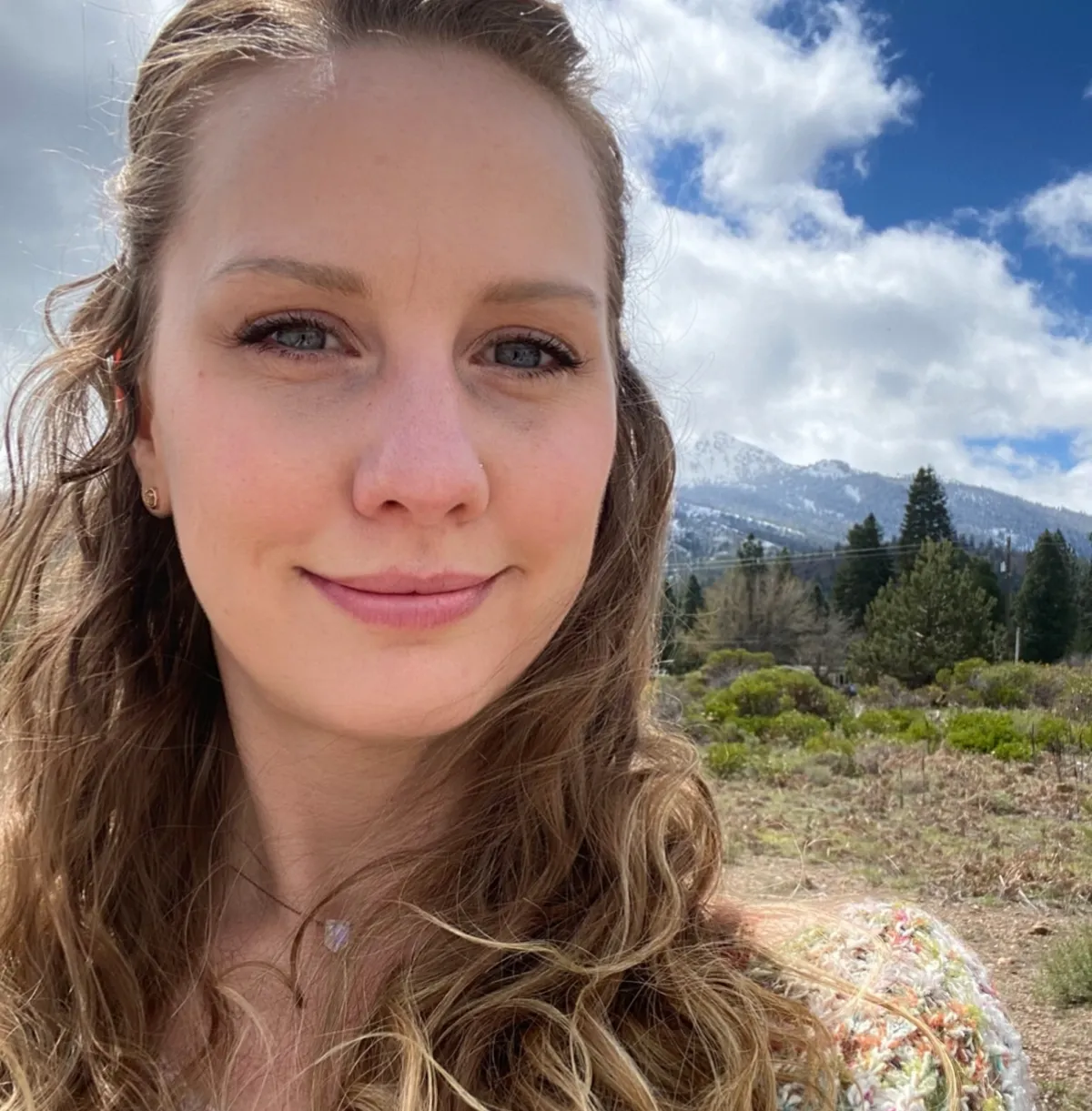
— Aurea Wolf, Co-Founder & Executive Director
"I grew up on the North Shore of Oahu where 'ohana means nobody gets left behind. That's the spirit we bring to Mount Shasta every single day."
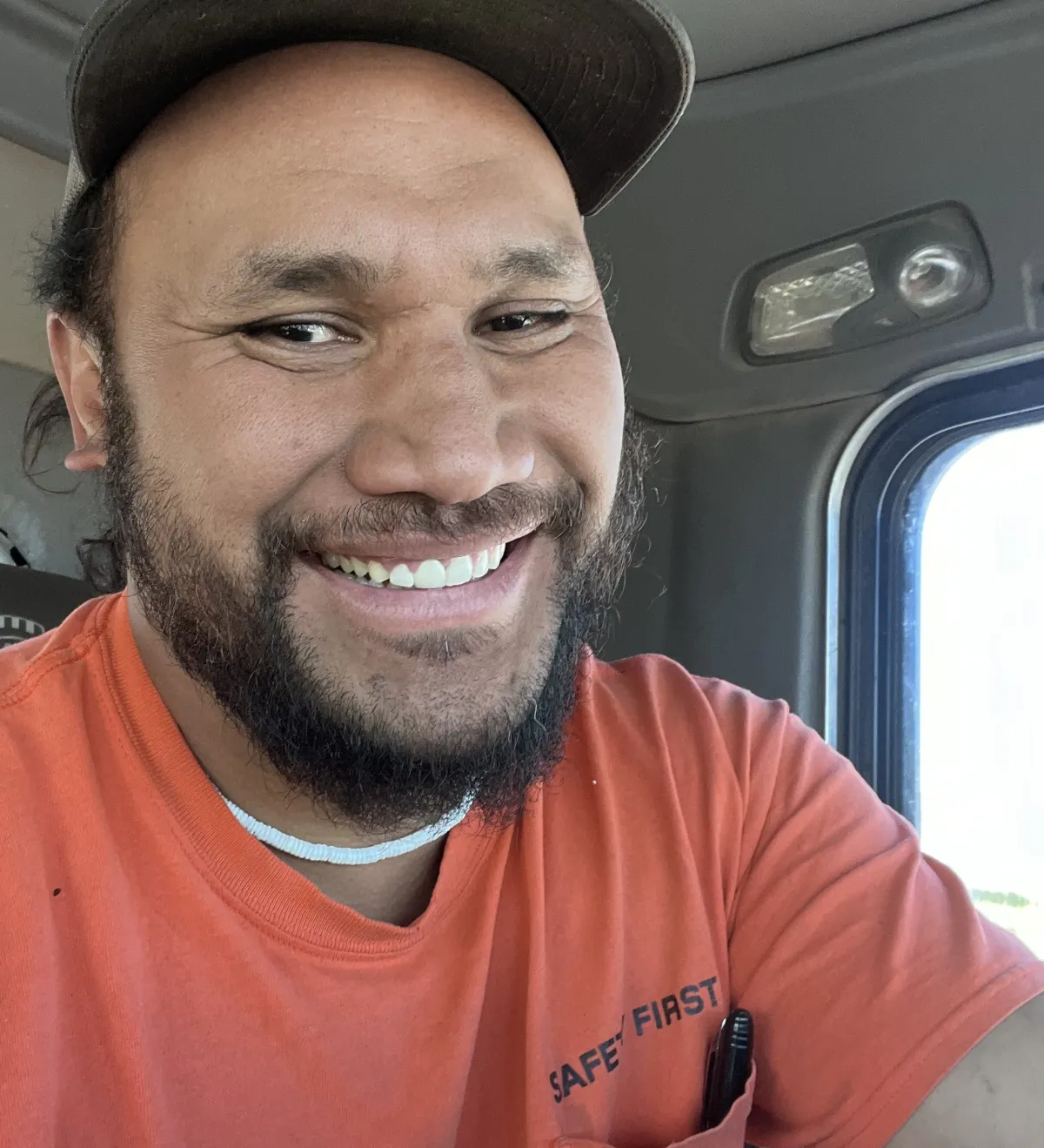
— Afa Garrigan, Co-Founder & Community Organizer
Ohana Mālamalama: Where housing creates stability, stability creates purpose, and purpose creates Families of Light.
Common Questions about
Ohana Mālamalama
Q: What does "Mālamalama" mean?
A: In Hawaiian, it means light, knowledge, and wisdom. We believe that when a family has a stable home, they can finally step into their light and share their unique gifts with the community.
Q: Is this just for people in Mount Shasta?
A: We are starting in Mount Shasta and Siskiyou County because this is our home, but our "Village Model" is designed to be a blueprint for rural communities everywhere who are facing housing crises.
Q: Can I donate land or materials?
A: Absolutely. We are building a regenerative ecosystem. Whether it’s a parcel of land, building materials, or your professional skills, every "gift" helps us build the next unit faster.
Q: Why did you choose a 508(c)(1)(a) instead of a standard 501(c)(3)?
A: It’s about staying local, maintaining efficiency of operations, and keeping our mission protected. While most nonprofits "apply" to the government for permission to be tax-exempt (501(c)(3)), the law provides a Mandatory Exception for organizations like ours under Section 508(c)(1)(a). We chose this path because it offers the highest level of administrative autonomy while reducing extra red tape. We don’t want our community’s housing mission to lose precious resources needed to build homes by doing extra administrative tasks every year, or be subject to the shifting rules of a national franchise or a distant bureaucracy who doesn't understand the needs of our community. We are recognized as tax-exempt by law from day one. We maintain full administrative records and operate with the same transparency as any community trust, just under a different legal shield.
Q: Is Ohana Mālamalama a Christian ministry?
A: Ohana Mālamalama is a faith-rooted ministry built on the conviction that human beings are created for purpose and community. Our values are expressed through Hawaiian language because our co-founder Afa Garrigan brings indigenous Pacific heritage to the work... and those values are the same ones that run through every faith tradition that takes human dignity seriously: people matter, families matter, and no one should be left behind. We walk alongside people of all backgrounds and beliefs, because the housing crisis doesn't check your credentials before it touches your life.
Q: Are my donations still tax-deductible?
A: Absolutely. The IRS is very clear on this: contributions to a 508(c)(1)(a) organization are fully tax-deductible under IRC § 170(c)(2)(B). You get the same tax benefits as you would giving to any other church or community trust. IRS Publication 1828 confirms that we do not need a "determination letter" to be tax-exempt or for your gifts to be deductible, but you should check with your trusted tax advisor if you have questions.
Q: I looked you up on the IRS ‘Tax Exempt Organization Search’ and couldn't find you. Why?
A: That’s by design! The IRS public search tool only lists organizations that have filed a Form 1023 application. Because 508(c)(1)(a) organizations are a mandatory exception to that filing, we don't appear in that specific database. This is one of the ways we protect donor privacy. We don't believe your charitable giving should be a matter of public record on a government website. Our "proof" is our notarized founding documents and our IRS-issued EIN.
Q: Is this just a way to avoid taxes?
A: Not at all. It’s a way to protect the mission. This structure provides us with First Amendment protections that standard nonprofits don't have. It ensures that Ohana Mālamalama stays focused on building housing and supporting families in Siskiyou County without being forced to comply with reporting requirements that often compromise the privacy of those we serve. We still keep all mandatory records and comply with all laws and oversight as required.
Q: How is this different from a national nonprofit?
A: Most "big" nonprofits are structured like franchises... they often send a percentage of every dollar to a national headquarters for "administrative fees." We don't. Because we are a private trust, 100% of our resources stay right here in the county. We don't have corporate masters, we don't pay franchise fees, and we don't answer to anyone but our local community and our mission. This allows us to move fast (like helping pass the Tiny House ordinance) without waiting for permission from a distant board or government agency for every step.
Q: I'm a total tax nerd. How can I learn more about all the details of this code?
A: You can read the full code here: IRS Publication 1828
Ohana Mālamalama is a 508(c)(1)(a) Faith-Based Organization. Contributions are tax-deductible under IRC § 170(c)(2)(B).